


Senegal crushed Irak with 69% possession and a huge gap in play
Senegal’s 5-0 win was explained by territorial dominance, attacking volume, and a brutal difference in what they created: 3.0 goal-scoring chances against just 0.2 for Irak. Rebin Sulaka’s red card in the 13' finished tilting a match that was already heavily in Senegal’s favor.
Senegal handled its clash with Irak with authority and won 5-0 at BMO Field. The stat that best sums up the night is the difference in attacking production: 3.0 goal-scoring chances for Senegal against just 0.2 for Irak, a gap that was also reflected in possession, shots and the final scoreline.
Tactical read
Senegal played through control. It had 69% possession, attempted 27 shots and put 11 on target, compared with 31% of the ball, 6 shots and only 1 on target for Irak. With those numbers, the result not only makes sense: it actually feels modest compared with the superiority shown throughout the match.
Senegal’s 4-3-3 setup found width and depth to sustain long attacks, while Irak, lined up in a 4-2-3-1, barely managed to make the match competitive. The difference in chances created is the key point of the analysis: Senegal produced far more and turned that into five goals, with a scoring pattern spread across the game.
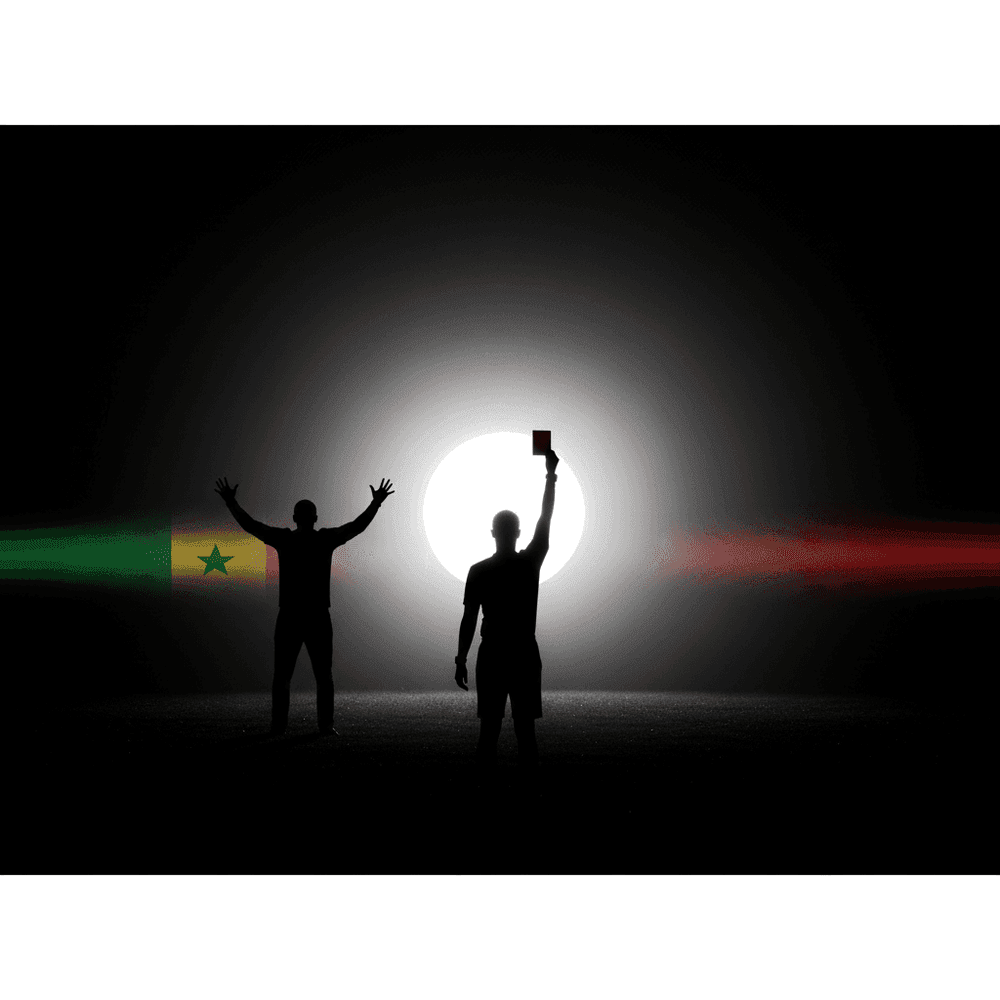
The first major turning point came early. H. Diarra opened the scoring in the 4', and then Rebin Sulaka’s red card for Irak in the 13' left the Asian side facing an even steeper uphill battle. From there, Senegal managed the match with a numerical advantage that added to the footballing gap already evident in possession and shots.
The standouts
The ratings also back up Senegal’s dominance. The highest was Pape Gueye, with 9.6, supported by two second-half goals. Behind him came L. Camara with 8.3 and I. Gueye with 8.2.
- Pape Gueye (9.6): two goals, in the 59' and 71', in a decisive performance.
- L. Camara (8.3): highly rated for his contribution in a match of sustained control.
- I. Gueye (8.2): another standout in a team that had many players above average.
I. Sarr also made his mark, extending the lead in the 56', and I. Ndiaye, who sealed the result in the 82'. Senegal showed a well-distributed scoring sheet and, beyond that, a constant presence in the opposition half that allowed it to keep the tempo without relying on a single play.
The pivotal moment was the sending-off of Rebin Sulaka in the 13'. By then, Senegal was already ahead from the 4', and the red card turned the early edge into a structural advantage. From that point on, Irak had almost no room left in the match.
On balance, Senegal delivered a clear picture of superiority: more possession, more shots, more shots on target and more ability to turn that dominance into goals. Irak, by contrast, could only hold on in the opening phase and never found the tools to level the game.